
The French
employment model
As Australia redesigns its employment services system, France shows us what’s possible

What we can learn from the French on inclusive employment
For more than two years, Whitebox has been exploring what Australia can learn from one of the world’s most established work integration systems.
In France, Work Integration Social Enterprises (WISEs) are embedded within the national employment system and recognised for the role they play in creating jobs for people facing significant barriers to work.
As Australia redesigns its employment services system, France shows us what’s possible when social enterprise is considered as a part on the solution.
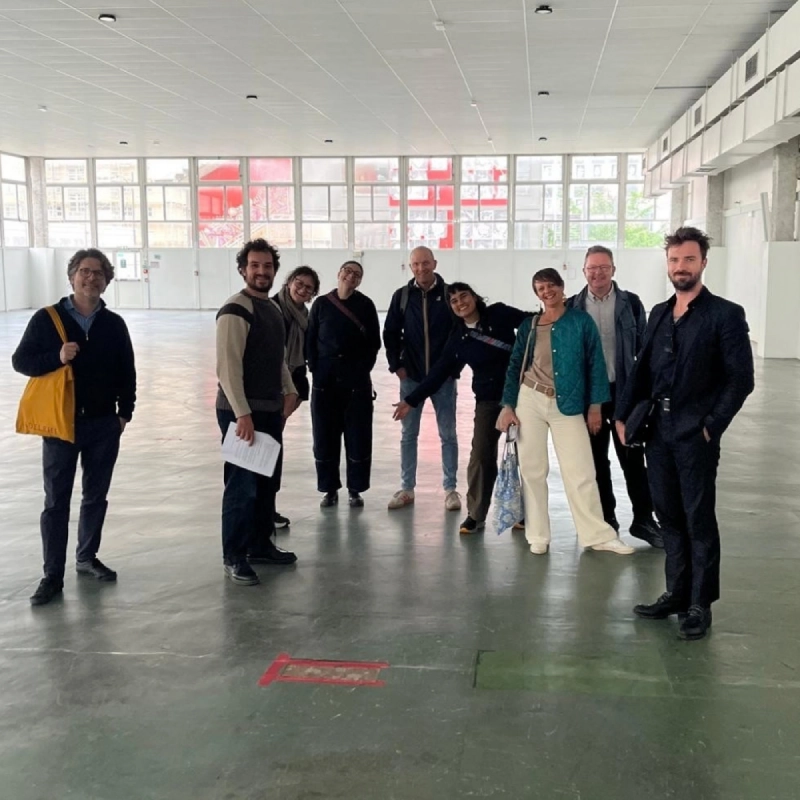
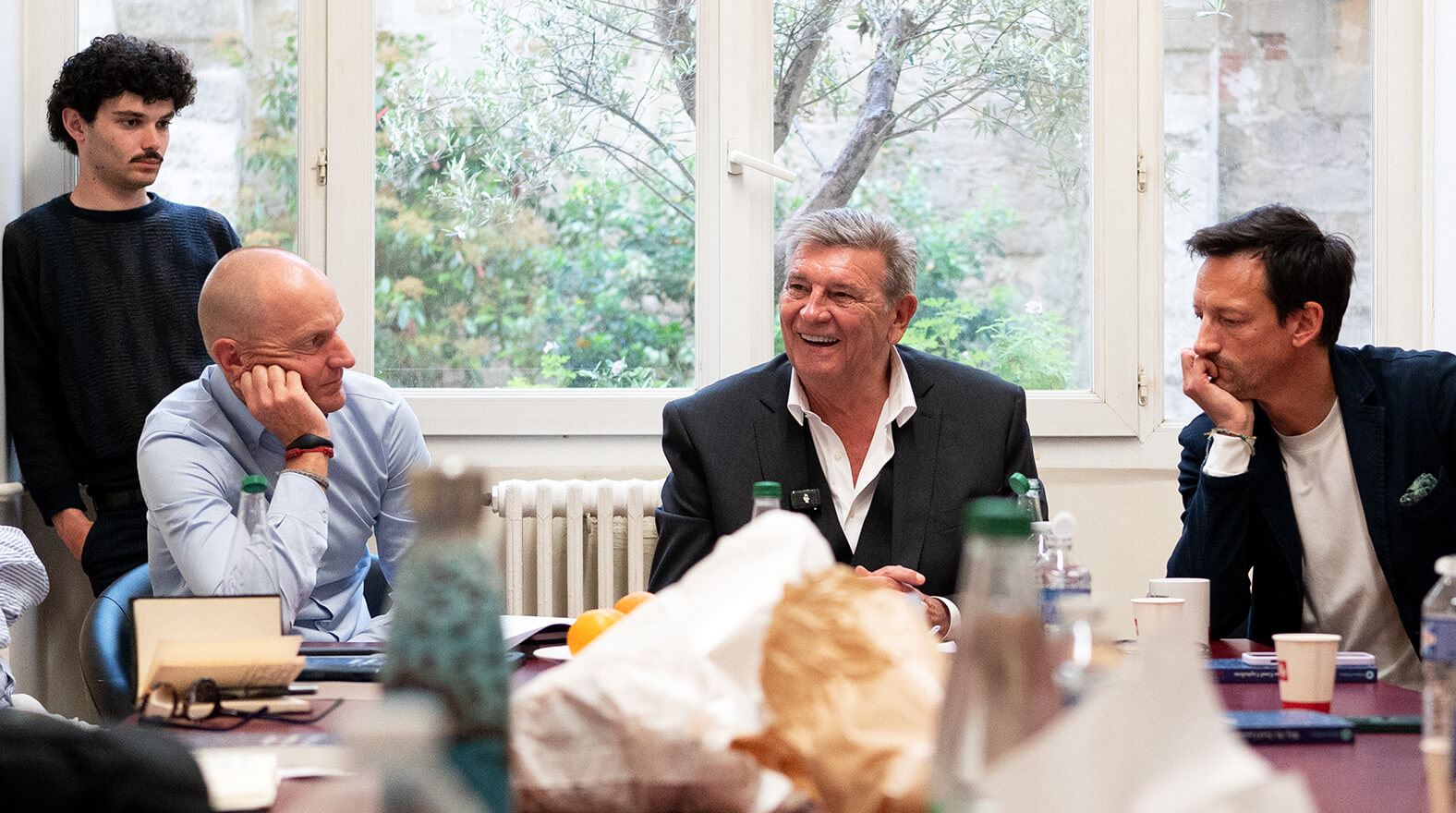
Founding CEO Jean-Marc Borello (centre) and Executive Director Frédéric Bailly (right) from Groupe SOS, Europe’s largest social enterprise group.
Why France?
Social enterprises are part of the mainstream economy in France. They operate at scale, rather than on the margins.
social enterprises
private sector employees work in social enterprise
of French GDP
An employment system built around people
At the heart of the French system is a clear recognition that everyone should have the right to work, and that government has a role in enabling it.
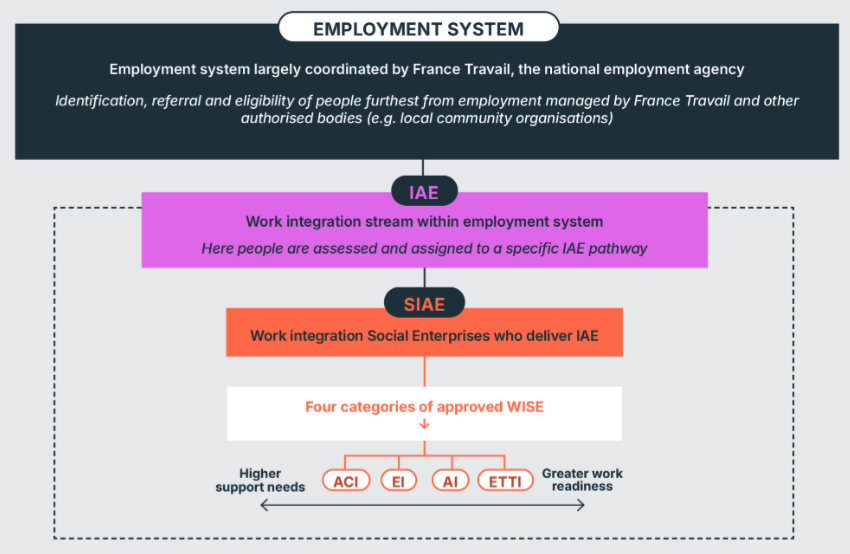
WISEs have clearly defined place within the French employment system. They are referred to as SIAE – Structures d’Insertion par L’Activite Professionnelle – which are part of France’s Insertion par l’Activité Économique or IAE. This is a dedicated employment stream for people facing significant barriers to work. Rather than expecting everyone to move through the same pathway, people can be referred into employment and support that reflects where they are starting from.
WISEs are also connected directly into the broader employment system. Jobseekers can be referred through France Travail, the French equivalent of Workforce Australia, as well as other authorised organisations. Different types of WISEs provide different employment pathways depending on the needs of the person.
This means social enterprises aren’t expected to carry the system on their own. The conditions around them allow them to focus on running strong businesses that create jobs.
How France’s work integration approach is structured
The scale of the French model
WISEs
People supported in WISE employment
transition to employment or training
of positive outcomes sustained six months after exit
Groupe SOS – social enterprise at significant scale
Whitebox has engaged extensively with Groupe SOS, including meeting founding CEO Jean-Marc Borello in Paris during our May 2026 study tour and welcoming Executive Director Frédéric Bailly to the 2025 Social Enterprise Jobs Summit.
Founded in Marseille in 1984, Groupe SOS is now the largest social enterprise group in Europe. It employs more than 25,000 people, generates over €2.5 billion in annual revenue and supports around 2 million beneficiaries each year.
Groupe SOS operates across health, aged care, disability, housing, hospitality, culture and employment. Its model brings nonprofit organisations, social enterprises and mission-led commercial activities together under a shared social purpose.
Despite its scale, Groupe SOS remains non-profit and has no shareholders. Earnings are reinvested or saved, allowing the group to support organisations experiencing financial difficulty and invest in new services. A centralised administrative function supports the group.
Groupe SOS demonstrates how the French ESS framework enables social enterprise to operate at significant scale while maintaining a strong social purpose.
The French study tour
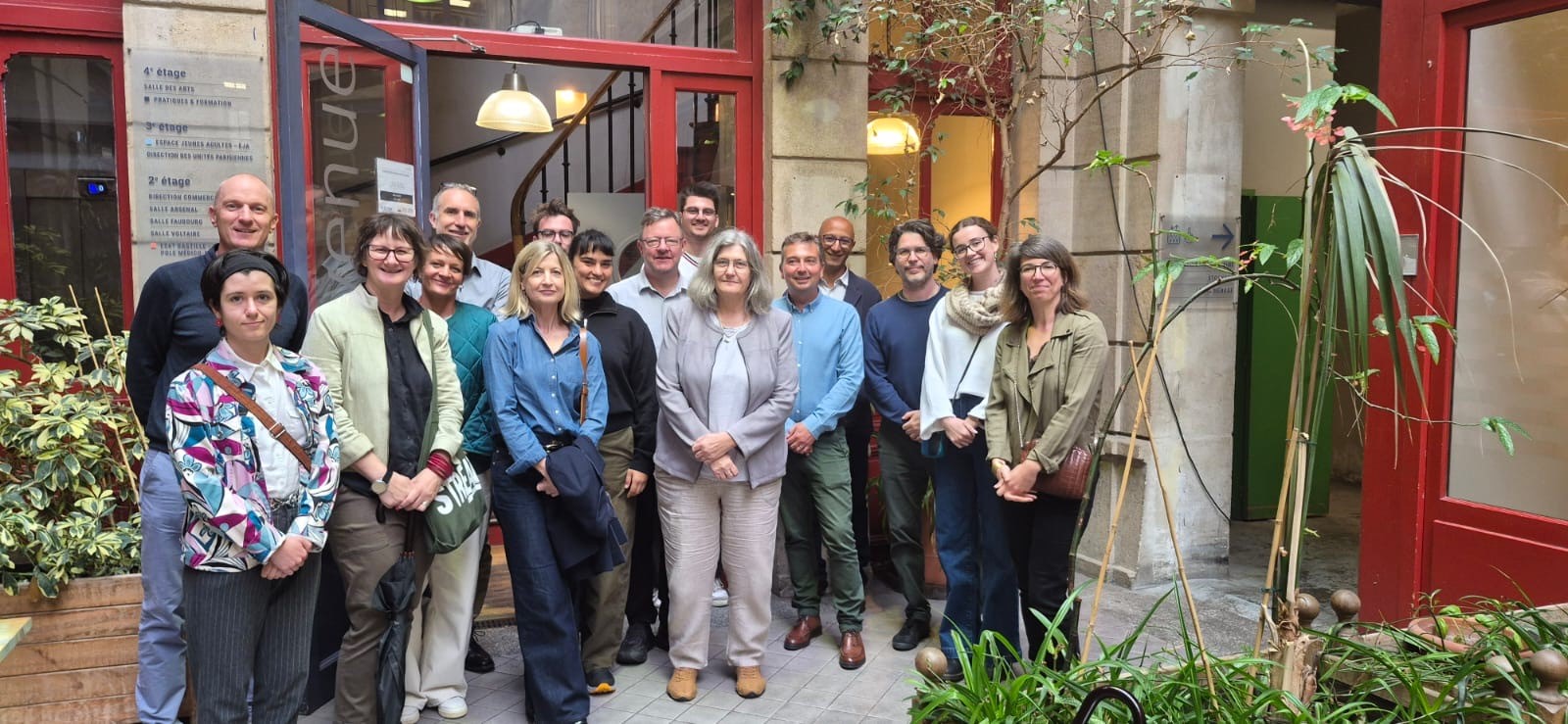
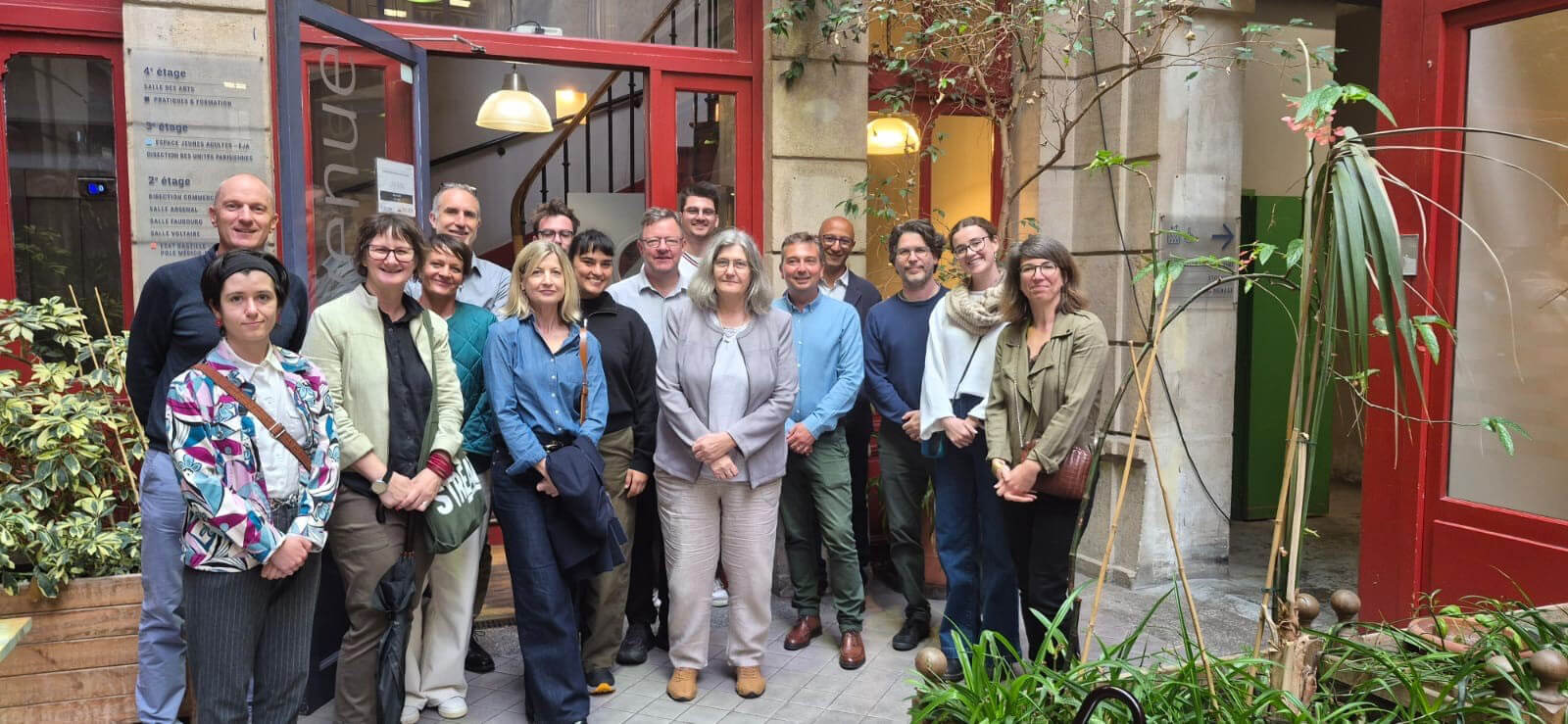
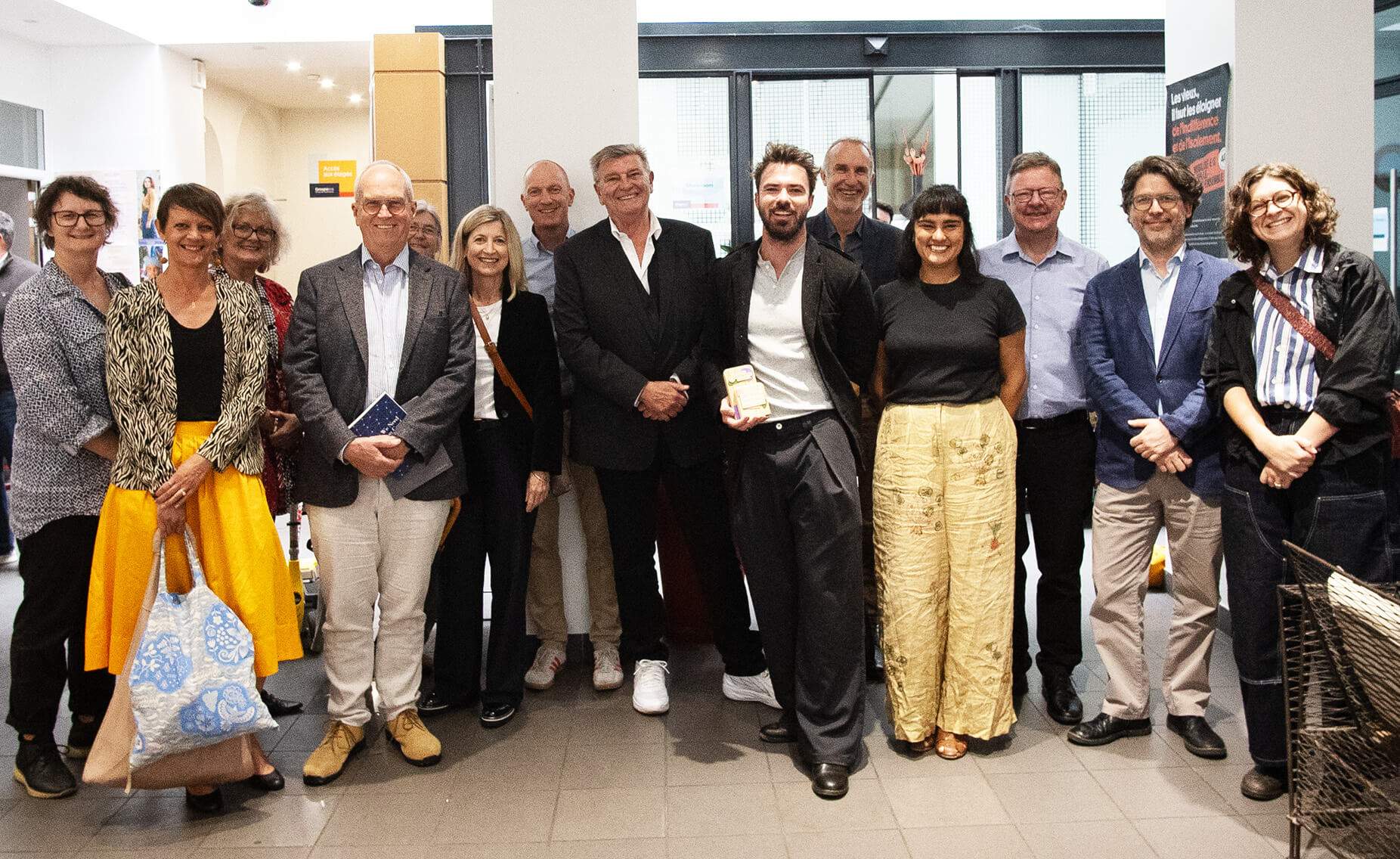
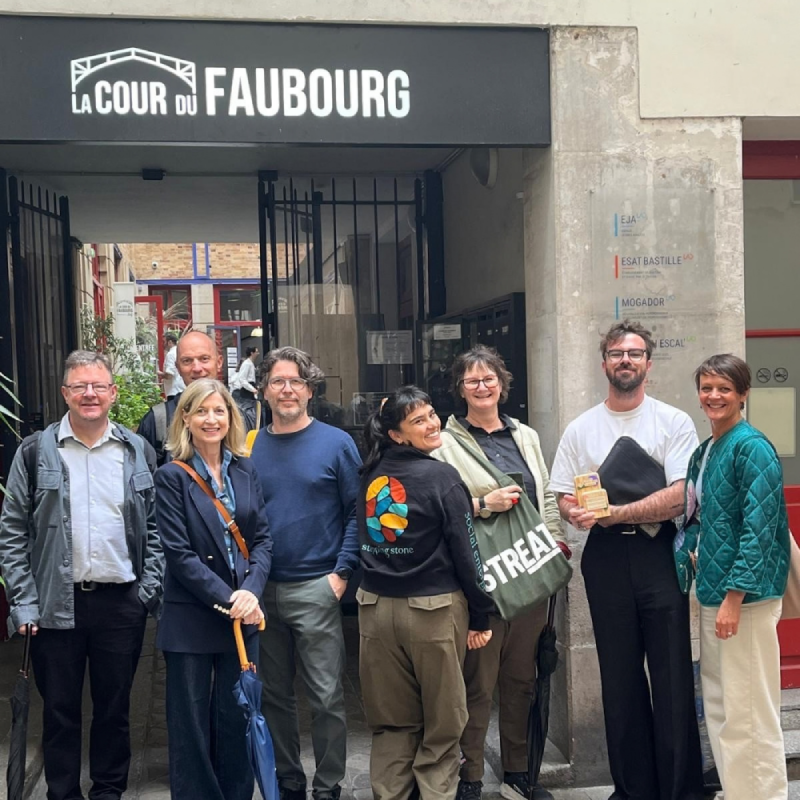
In May 2026, Whitebox took a delegation of Australian social enterprise leaders and funders to France to see the system in action.
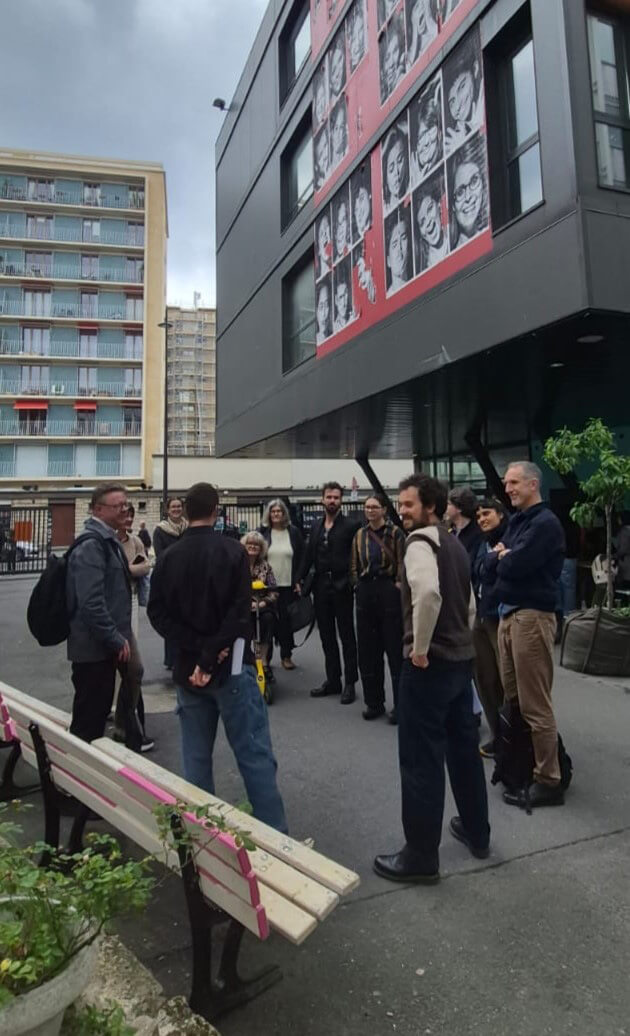
Over five days, the group met with social enterprises, government, funders and sector leaders to understand how the French model works in practice and what has enabled it to grow to such scale.
The tour built on Whitebox’s ongoing exploration of the French employment system, giving us the opportunity to see firsthand how social enterprises operate within it and explore what could be adapted to the Australian context.
A key stop was the Stade de France, where we saw how Paris 2024 used social procurement to direct more than €800M in contracts to 600+ social enterprises.
The approach is helping inform GoodSupply 2032, our work to maximise social enterprise procurement opportunities ahead of Brisbane 2032.
The Australian delegation of 2026 French tour
- Ian & Shirley Norman Foundation
- Ian Potter Foundation
- Kennards Hire Foundation
- English Family Foundation
- STREAT
- Café Stepping Stone
- Bloom Cycle
- Social Enterprise World Forum
- Social Procurement Australasia

Read the report: Lessons from France
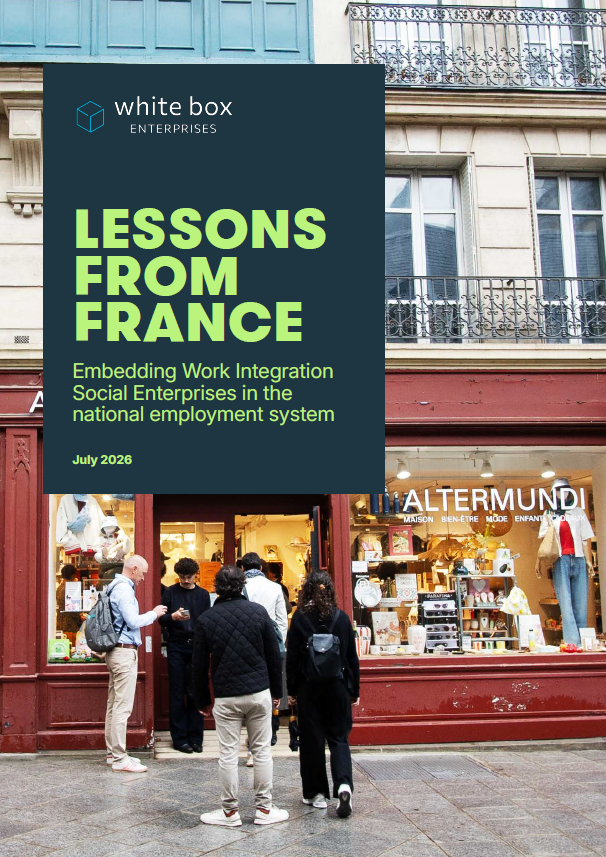
Lessons from France: Embedding Work Integration Social Enterprises in the National Employment System brings together more than two years of Whitebox research and engagement with the French system.
The report provides a practical picture of how France has embedded jobs-focused social enterprises within its national employment system, including the role they play alongside mainstream employment services, how they are funded and regulated, and how the system supports people facing barriers to work.
At a time of significant reform, there is real value in looking beyond our own borders.
Whitebox hopes the report contributes practical international evidence to the national conversation about how more people facing barriers to work can access sustainable employment, and offers a useful reference point for what a more connected system can achieve here.

Advocating
through action
We advocate for change by doing. We build the evidence through testing and trialling with the sector. Then we share what we learn with government, philanthropy and other key influencers.

Stay
Connected
If you’re a jobs-focused social enterprise, join our database so you’re the first to know the latest updates and opportunities for jobs-focused social enterprises.